

Kaziranga National Park
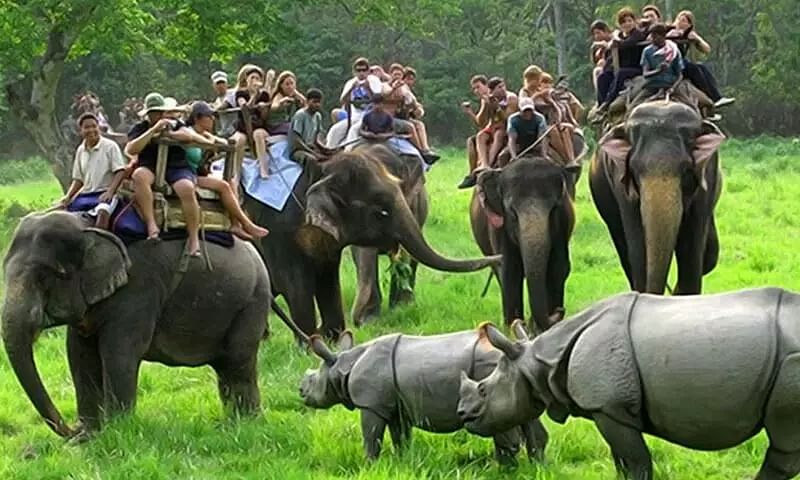
Kaziranga National Park, located in the state of Assam, is one of India’s most celebrated wildlife destinations and a UNESCO World Heritage Site. Spread across approximately 430 sq. km, the park is internationally renowned for protecting the world’s largest population of the Greater One-Horned Rhinoceros. Besides rhinos, Kaziranga is home to Royal Bengal Tigers, Asian Elephants, Wild Water Buffalo, Swamp Deer, and hundreds of resident and migratory bird species, making it a paradise for wildlife enthusiasts and nature photographers.
Surrounded by lush elephant grass, wetlands, marshes, and tropical forests along the mighty Brahmaputra River, Kaziranga offers one of the richest biodiversity experiences in India.
History of Kaziranga National Park
The history of Kaziranga dates back to the early 20th century. In 1904, Mary Curzon, the wife of the then Viceroy of India, Lord Curzon, visited the region hoping to see the Indian one-horned rhinoceros. After failing to spot even one, she urged her husband to take immediate steps to protect the rapidly declining species.
As a result, the area was declared the Kaziranga Proposed Reserve Forest in 1905. Over the years, its protected area expanded, and in 1908 it officially became a Reserve Forest. Owing to its remarkable conservation success, Kaziranga was declared a UNESCO World Heritage Site in 1985. In 2006, it was also designated as a Tiger Reserve due to its growing tiger population.
Today, Kaziranga stands as one of the world’s finest examples of successful wildlife conservation.
Wildlife in Kaziranga National Park
Kaziranga is famous for its incredible wildlife diversity and is considered one of the best places in India for wildlife safaris.
The park is home to:
- Greater One-Horned Rhinoceros
- Royal Bengal Tiger
- Asian Elephant
- Wild Water Buffalo
- Eastern Swamp Deer
- Leopard
- Sloth Bear
- Hoolock Gibbon
- Wild Boar
- Hog Deer
- Sambar Deer
- Numerous reptiles and amphibians
Kaziranga supports more than 2,600 Greater One-Horned Rhinoceroses, representing nearly two-thirds of the world’s total population.
Birdlife at Kaziranga
Kaziranga is recognized as an Important Bird Area (IBA) by BirdLife International. Every winter, thousands of migratory birds arrive from Central Asia, making it a favourite destination for birdwatchers.
Some commonly sighted birds include:
- Lesser White-fronted Goose
- Ferruginous Duck
- Baer’s Pochard
- Lesser Adjutant Stork
- Greater Adjutant Stork
- Black-necked Stork
- Asian Openbill Stork
- Bar-headed Goose
- Pelicans
- Eagles and numerous waterfowl species
Flora of Kaziranga
Kaziranga’s landscape consists of extensive grasslands, wetlands, forests, and riverine habitats created by the annual flooding of the Brahmaputra River.
The park supports four major vegetation types:
- Alluvial Inundated Grasslands
- Alluvial Savanna Woodlands
- Tropical Moist Mixed Deciduous Forests
- Tropical Semi-evergreen Forests
Common tree species found here include:
- Elephant Apple
- Indian Gooseberry (Amla)
- Kumbhi
- Cotton Tree
- Silk Cotton Tree
The wetlands also support a rich variety of aquatic plants that sustain the park’s ecosystem.
Best Time to Visit Kaziranga National Park
Kaziranga National Park remains closed from 1st May to 31st October every year due to the monsoon season and flooding caused by the Brahmaputra River.
The ideal time to visit is November to April, when the weather is pleasant and wildlife sightings are at their best.
Winter (November to February)
Winter is considered the best season to explore Kaziranga. The weather remains cool and comfortable, and the shorter grass makes it easier to spot rhinos, elephants, and tigers.
Spring & Early Summer (March to April)
Temperatures begin to rise, but animal sightings remain excellent as wildlife frequently gathers near water bodies.
Monsoon (May to October)
Heavy rainfall and annual flooding make the park inaccessible. During this period, all tourism activities, including safaris, remain suspended.
Safari Experience
Visitors can explore Kaziranga through:
- Jeep Safari
- Elephant Safari (limited zones and timings)
Elephant safaris offer an excellent opportunity to observe rhinos at close range during the early morning hours, while jeep safaris cover larger areas of the park and provide better opportunities to spot tigers, elephants, and other wildlife.
Advance booking is highly recommended, especially during weekends and the peak tourist season.
Travel Tips
- Visit between November and April for the best wildlife experience.
- Carry a valid government-issued photo ID for safari bookings.
- Book jeep and elephant safaris in advance during the peak season.
- Wear comfortable clothing in earthy colours and sturdy footwear.
- Carry binoculars and a camera for birdwatching and wildlife photography.
- Follow all park rules and instructions provided by forest guides for a safe and enjoyable safari.