
Jhalana Leopard Safari, Jaipur – India’s First Leopard Reserve
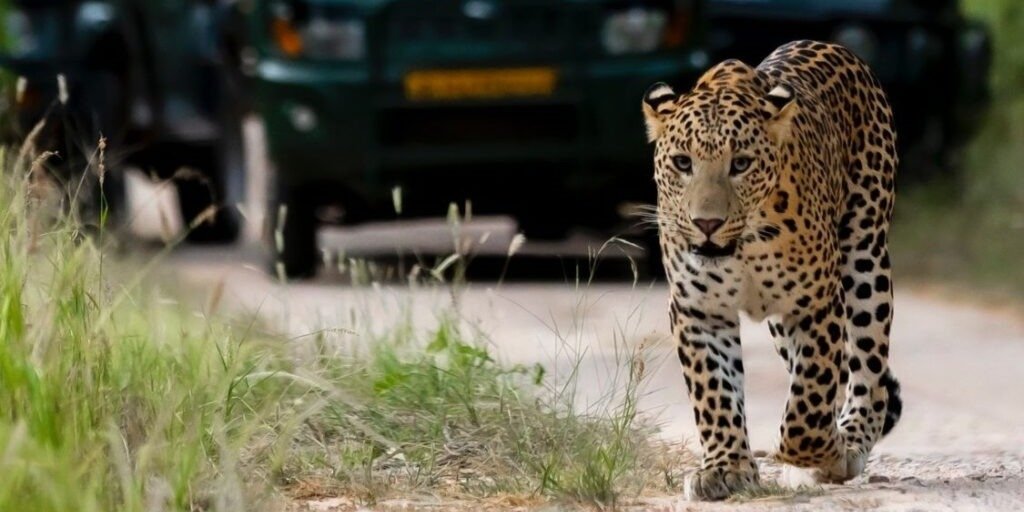
The Jhalana Leopard Reserve, also known as Jhalana Leopard Safari Park, is India’s first dedicated leopard reserve. Located in the heart of Jaipur, Rajasthan, this remarkable wildlife destination is surrounded by the ancient Aravalli Hills, one of the oldest mountain ranges in the world.
Declared a Leopard Reserve by the Rajasthan Forest Department in 2017, Jhalana covers approximately 20 square kilometres of dry deciduous forest and is home to an impressive diversity of wildlife. Its healthy leopard population and high sighting success have made it one of India’s most popular destinations for wildlife enthusiasts and photographers.
Leopard Sighting at Jhalana Leopard Reserve
Jhalana Leopard Reserve is home to more than 40 leopards, including several cubs, making it one of the best places in India to observe these elusive big cats in their natural habitat.
Unlike many other forests, the leopards of Jhalana are often active during daylight hours. They have become accustomed to safari vehicles, allowing visitors an excellent opportunity to witness these magnificent animals at close range. Sightings are frequent, and it is not uncommon to spot a leopard within minutes of entering the reserve.
Besides leopards, visitors may encounter:
- Striped Hyena
- Indian Civet
- Desert Cat Jungle Cat
- Desert Fox
- Golden Jackal
- Mongoose
- Porcupine
- Monitor Lizard
- Sambar Deer
- Spotted Deer (Chital)
- Blue Bull (Nilgai)
- Various species of snakes
One of the reserve’s unique attractions is the historic Shikaar Audi, a three-storey royal hunting lodge situated inside the forest. It offers panoramic views of the surrounding landscape and is an excellent location for wildlife observation, sunrise, and sunset photography.
Jhalana Safari Experience
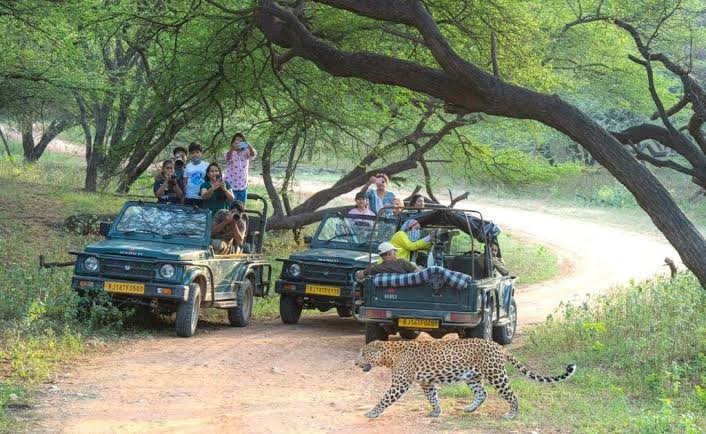
Jhalana Leopard Safari was opened to tourists in December 2016 and has quickly become one of India’s premier wildlife destinations. The reserve offers an exciting safari experience amidst the rugged terrain of the Aravalli Hills, where visitors can explore untouched forests while searching for leopards and other wildlife.
Thanks to its thriving leopard population, Jhalana enjoys one of the highest leopard sighting rates in India, making every safari an unforgettable experi
Quick Facts About Jhalana Leopard Reserve
- India’s first dedicated Leopard Reserve.
- Declared a Leopard Reserve in 2017.
- Opened for tourism in December 2016.
- Covers an area of approximately 20 sq. km. Home to 40+ leopards, including cubs.
- The last tiger in the area was reportedly hunted in 1948.
- Open throughout the year, including the monsoon season.
Flora of Jhalana Leopard Reserve
Jhalana is a dry deciduous forest, characterised by rocky hills, narrow valleys, and rugged cliffs of the Aravalli range. During summer, many trees shed their leaves to conserve water, while the monsoon transforms the forest into a lush green landscape.
The reserve is dominated by vegetation such as:
- Khejri (Prosopis cineraria)
- Vilayati Babul (Prosopis juliflora)
- Dhak (Butea monosperma)
- Dhonk (Anogeissus pendula)
- Salar (Boswellia serrata)
- Kumta (Acacia senegal)
Wildlife of Jhalana Leopard Reserve
he leopard is the undisputed apex predator of Jhalana and the main attraction for visitors. Although leopards are generally nocturnal, those living in Jhalana are remarkably active during daylight, significantly increasing the chances of sightings.
Other mammals found in the reserve include:
- Striped Hyena
- Indian Civet
- Desert Cat
- Jungle Cat
- Desert Fox
- Golden Jackal
- Porcupine
- Mongoose
- Monitor Lizard
- Sambar Deer
- Spotted Deer (Chital)
- Blue Bull (Nilgai)
The reserve also supports numerous reptiles and a rich variety of birdlife.
Bird Watching in Jhalana
Jhalana is a paradise for bird watchers, with numerous resident and migratory bird species found throughout the year.
Commonly sighted birds include:
- Indian Pitta
- Dusky Eagle Owl
- Spotted Owlet
- Peafowl
- Eagles
- Kingfishers
- Woodpeckers
- Parakeets
- Bee-eaters
Whether you are a wildlife photographer or an avid birder, Jhalana offers excellent opportunities throughout the year.
Best Time to Visit Jhalana Leopard Safari
Jhalana Leopard Reserve remains open throughout the year, including the monsoon season, making it one of the few wildlife reserves in India that welcomes visitors in every season.
While safaris can be enjoyed year-round, the best time to visit is from October to April, when the weather is pleasant and wildlife sightings are particularly rewarding.
The summer months (April to June) also offer excellent leopard sightings, as animals frequently visit water sources.
How to Reach Jhalana Leopard Reserve
Jaipur International Airport is located approximately 6 km from Jhalana Leopard Reserve, and the journey takes around 15 minutes by road. The airport is well connected with major Indian cities as well as several international destinations. Taxis and app-based cabs are readily available outside the airport
Jaipur Junction Railway Station is approximately 12 km from the reserve. The station enjoys excellent rail connectivity with cities such as Delhi, Mumbai, Ahmedabad, Udaipur, Jaipur, and Kota. Taxis, auto-rickshaws, and local buses are available for onward travel.
Jhalana Leopard Reserve is easily accessible by road from Jaipur city and is well connected with major cities across Rajasthan and neighbouring states. Visitors can travel by private vehicle, taxi, or state transport buses from cities such as Delhi, Udaipur, Ahmedabad, Kota, and Mumbai.
Experience one of India’s finest wildlife destinations and witness the incredible leopards of Jhalana in their natural habitat. Whether you are a wildlife photographer, bird watcher, or nature enthusiast, Jhalana Leopard Reserve promises an unforgettable safari experience.
Book your Jhalana Leopard Safari in advance to secure your preferred safari date and timing, especially during weekends and the peak tourist season